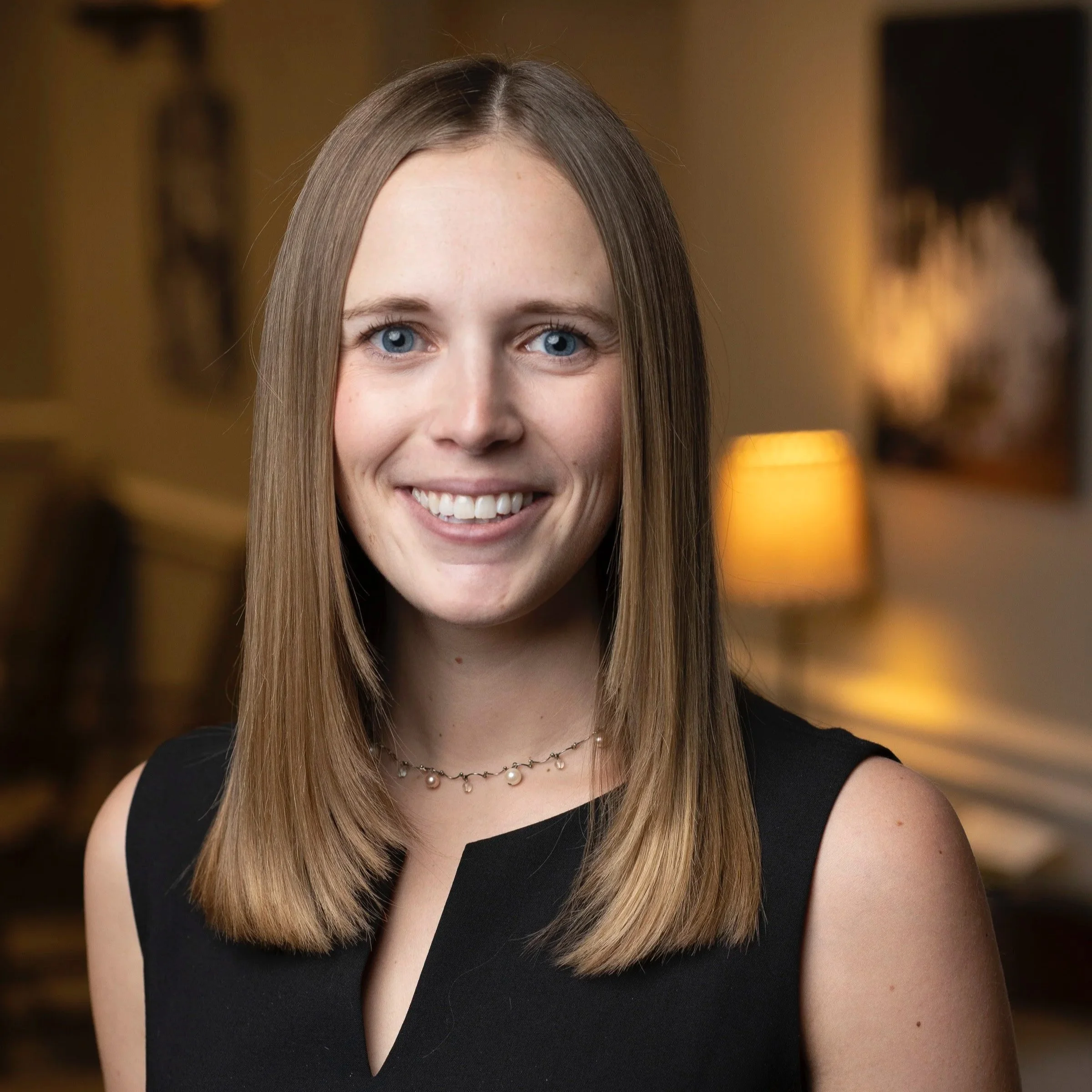
Today, get to know Madeline Price: Director of State Policy & Strategy with HCM Strategists.
Madeline Price is a student-centered state policy leader committed to identifying and championing policy opportunities to transform students’ lives through education. At HCM, she oversees a body of work dedicated to supporting systems-level change and strengthening state partnerships to ensure that education offers a clear path toward economic prosperity. Madeline brings to HCM deep expertise in K-12 and postsecondary finance, nondegree credentials, and education pathways that lead to economic opportunity and prosperity. Driven by a strong belief in the power of state leadership to create lasting change, she is committed to identifying and advancing state policy solutions that transform students’ lives through education.
To learn more about Madeline, please visit her LinkedIn.
We’re lucky to have a team with diverse lived experiences. Tell us about your background and how you found your way to this work.
→ I started my postsecondary experience with the intent to pursue a career in International Relations. My experience in a French immersion program at International School of Indiana from Kindergarten to grade 8 sparked a passion for understanding and experiencing other cultures. While a career in international diplomacy never got off the ground, this interest led me to explore global education data and compare the U.S. system to other countries. There was so much to learn about varying approaches to education, and clear disparities in outcomes across student groups that I could not ignore. I was hooked, and quickly decided to shift my professional focus to education.
I began my career at MDRC supporting research and technical assistance projects across K-12 and postsecondary education. The most impactful projects were those where we heard directly from students. Learning about their lived experience in education – both the bright spots and barriers to success – made the work grounded and actionable. Translating research into action was exciting, and state policy felt like the missing piece to effectively accomplish that goal. I decided to pursue my MPP in Education Policy and commit to supporting student-centered, state-level change.
My experience with state policy and advocacy work in Tennessee at the State Collaborative on Reforming Education (SCORE) and now nationally at HCM Strategists gave me the chance to apply theoretical policy knowledge in a variety of state contexts. I am grateful I found my way toward impactful work with state leaders who are committed to advancing meaningful change for students.
HCM is dedicated to making educational systems more accessible, affordable, accountable, and equitable. What drives you to do this work?
→ Postsecondary education can be a powerful driver of opportunity and mobility. But too often, there’s a gap between that promise and what students actually experience. Students deserve more support navigating complex systems that aren’t designed to meet their needs.
In my work, I’ve seen how policy decisions around funding models, accountability and incentives, program design, and evaluation can reinforce barriers or help remove them. I’m motivated by the opportunity to do the latter and help states and systems be more intentional, aligned, and student-centered. I’m grateful to work in a mission-driven organization where I know my work is in service of improving student experiences and outcomes.
What does career-connected learning mean to you and why is it important to focus on this?
→ To me, career-connected learning means students can see the relevance in their educational experiences. That relevance can take different forms, including direct connections with a career, opportunities to build critical thinking and problem solving skills, and space to explore passions and interests. Embedding real-work experiences – such as work-based learning, service learning, applied coursework, and internships – is a key strategy. This approach ensures that students understand and can articulate how learning connects to future career opportunities and fruitful lives. Career-connected learning is critical for strengthening confidence in postsecondary education and ensuring students see the benefit of their educational pathways.
What is an opportunity or trend that you have seen in postsecondary education that excites you about the future of the landscape?
→ I am excited about the opportunity for states to develop and adopt new postsecondary attainment goals. At HCM, I am supporting the State Attainment Collaborative through Lumina Strategy Labs to do just that. The Collaborative introduces an intentional focus on value in attainment, asking critical questions about how states can define value, drive it across student groups, and redesign systems with a value lens.
The most exciting part of this work is not the goals themselves, but the shifts those goals may bring. First, goal-setting requires intentional cross-sector collaboration. Postsecondary education can’t solve these nuanced challenges alone. Workforce, economic development, and K-12 all play a role. There is opportunity to break down siloes and develop meaningful partnerships.
Second, value-centered attainment goals can encourage alignment across measures. Defining and measuring value is not a new conversation. States have been thinking about this question through various avenues including career-technical education, performance funding, and most recently Workforce Pell. State goals can bring cohesion to these efforts and ensure all agencies are rowing in the same direction.
Lastly, goal-setting highlights the importance of data. Conversations about value will undoubtedly point to a need for enhanced data systems. Advancing this work will require stronger data systems to better understand students’ education-to-work pathways and inform more effective policymaking.
While there’s still a lot of work to do, I’m encouraged by the momentum and the opportunity for goals to be a tool to drive action
When not working, what can people find you doing?
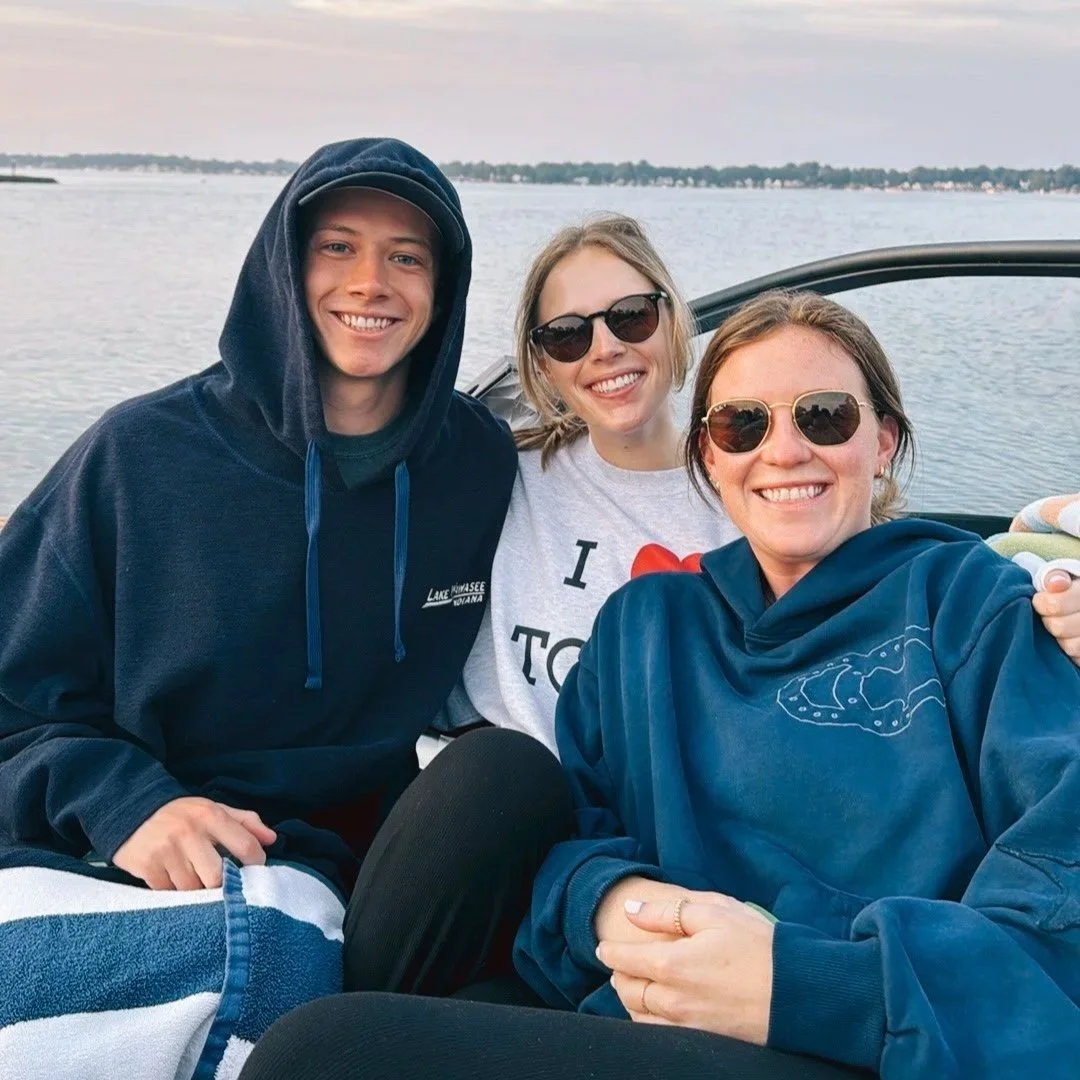
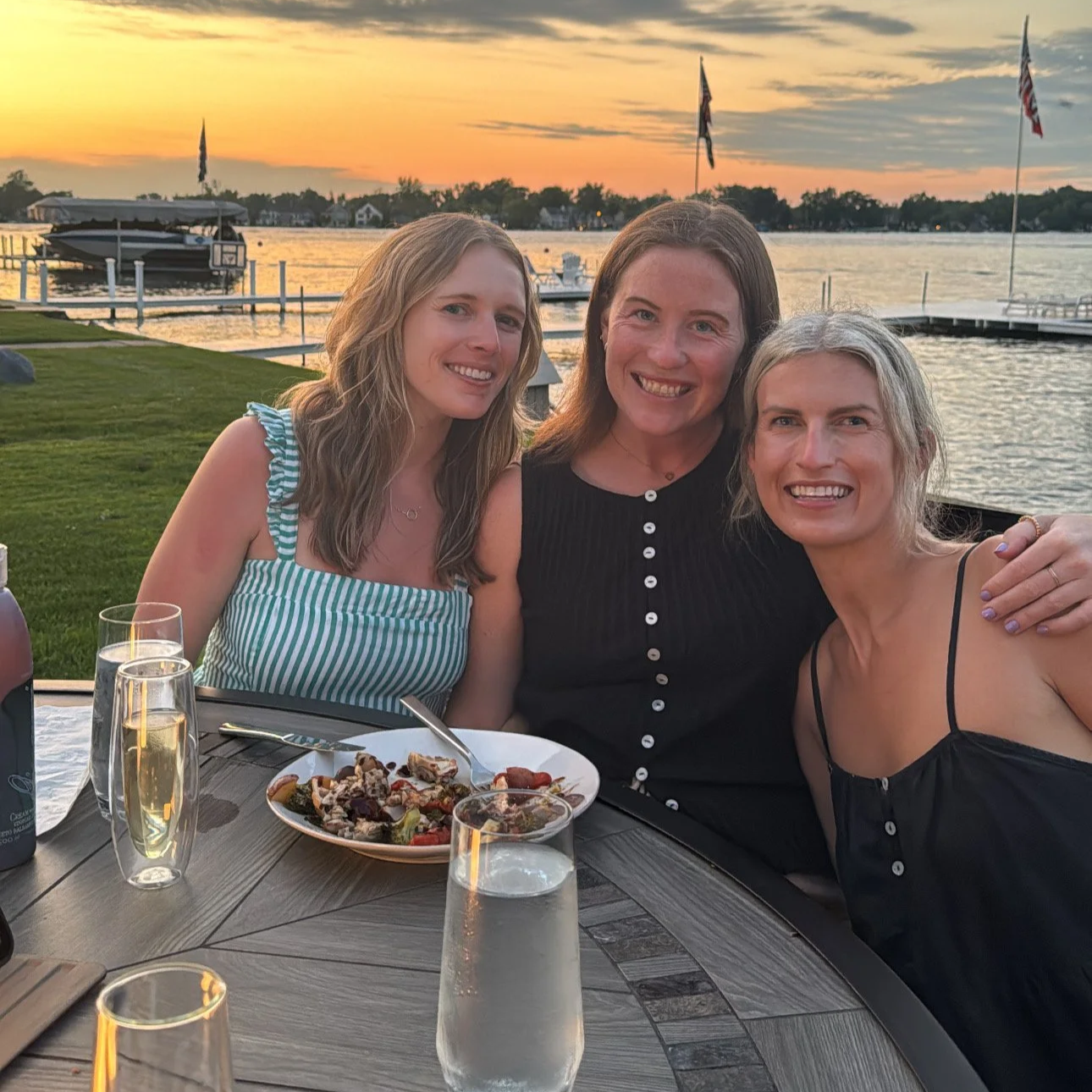
→ When I’m not working, you can usually find me reading (I do attend an annual reader’s retreat with friends), trying Chicago restaurants, or planning my next trip. As a Midwesterner, I love lake season in the summer and try to be on the water as much as possible.
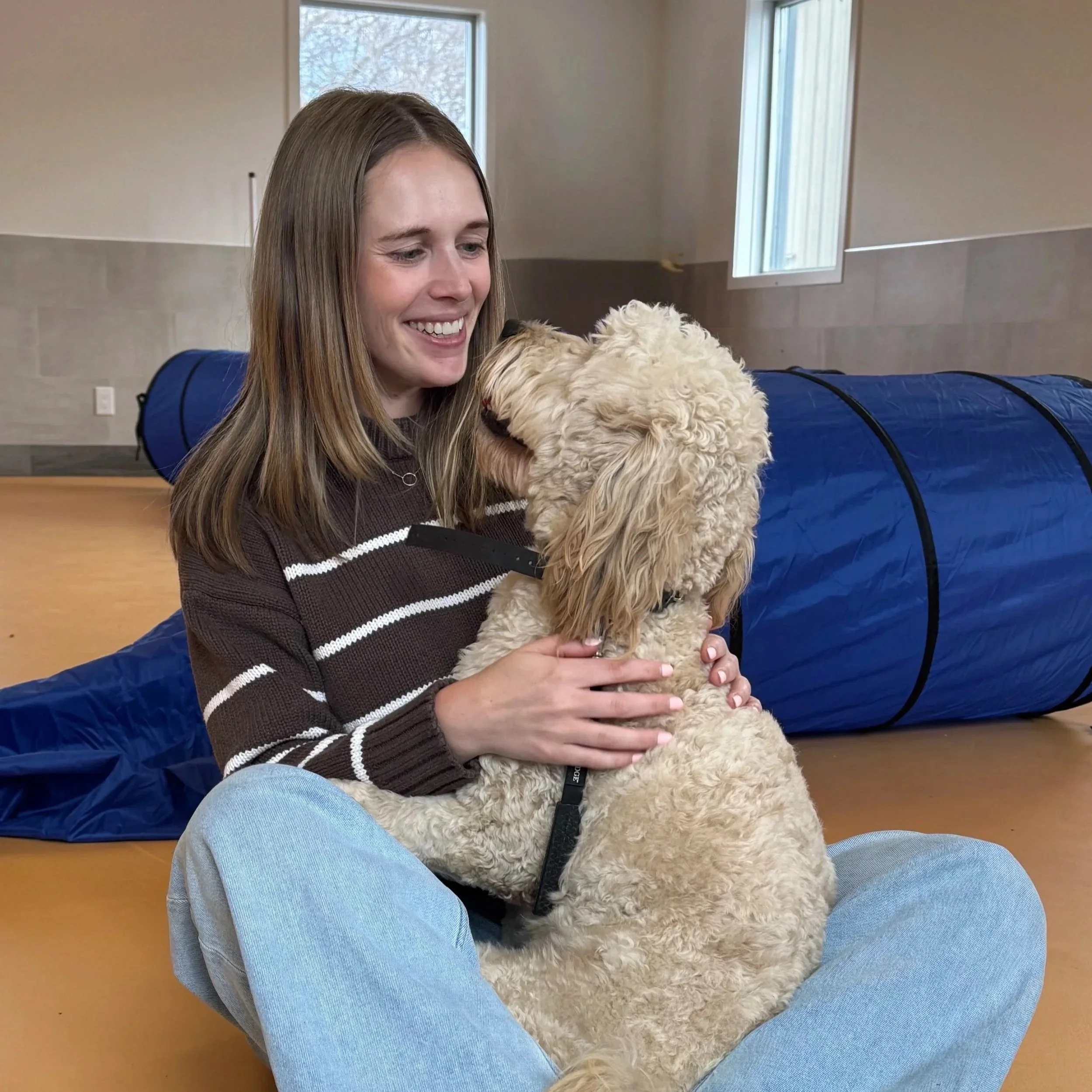
My family and friends are a huge part of my life, so I spend as much time with them as possible. I also recently brought home a dog to join the family, Theo, who has quickly become a big part of my routine. I am grateful the Chicago weather is finally warming up for our daily walks!