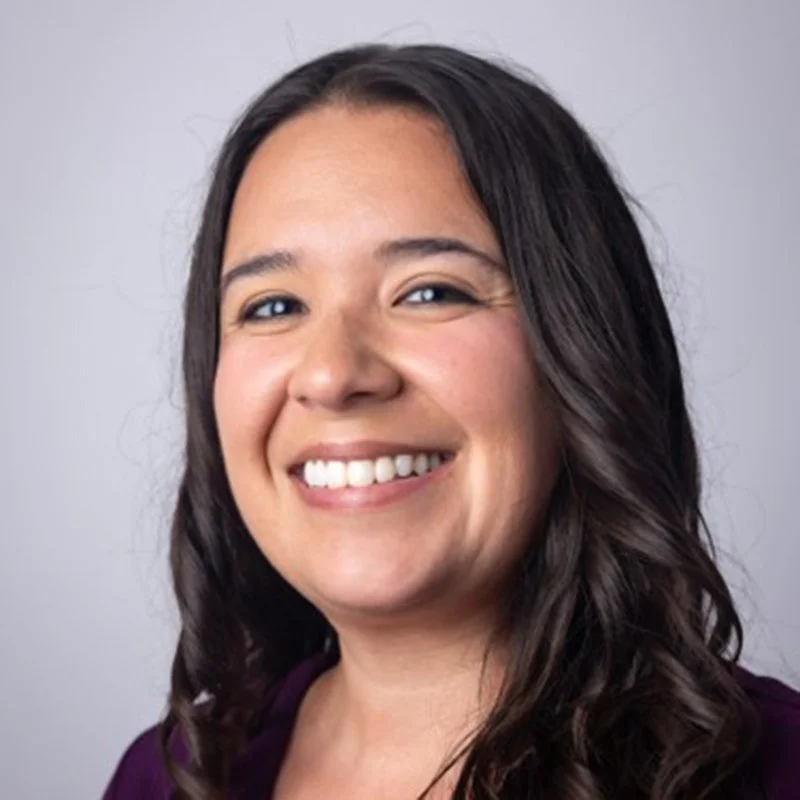
Today, get to know Rachel Rivas: Associate Director with HCM Strategists.
Rachel is a data analyst and researcher who champions equitable access and opportunity for all students. She served as a Fellow at HCM for a year before joining full-time in 2026. She has worked on projects related to state funding formulas, 50-state policy scans, and developing policy agendas that center modern working learners. Rachel discovered her passion for state finance policy during her doctoral studies when she came across HCM’s Outcomes-Based Funding Typology. Her research explores how to define and measure equity in higher education funding models. She brings over 15 years of experience working in higher education institutions where she advised executive administrators on data-informed decision-making to support student success and academic excellence.
To learn more about Rachel, please visit her LinkedIn.
We’re lucky to have a team with diverse lived experiences. Tell us about your background and how you found your way to this work.
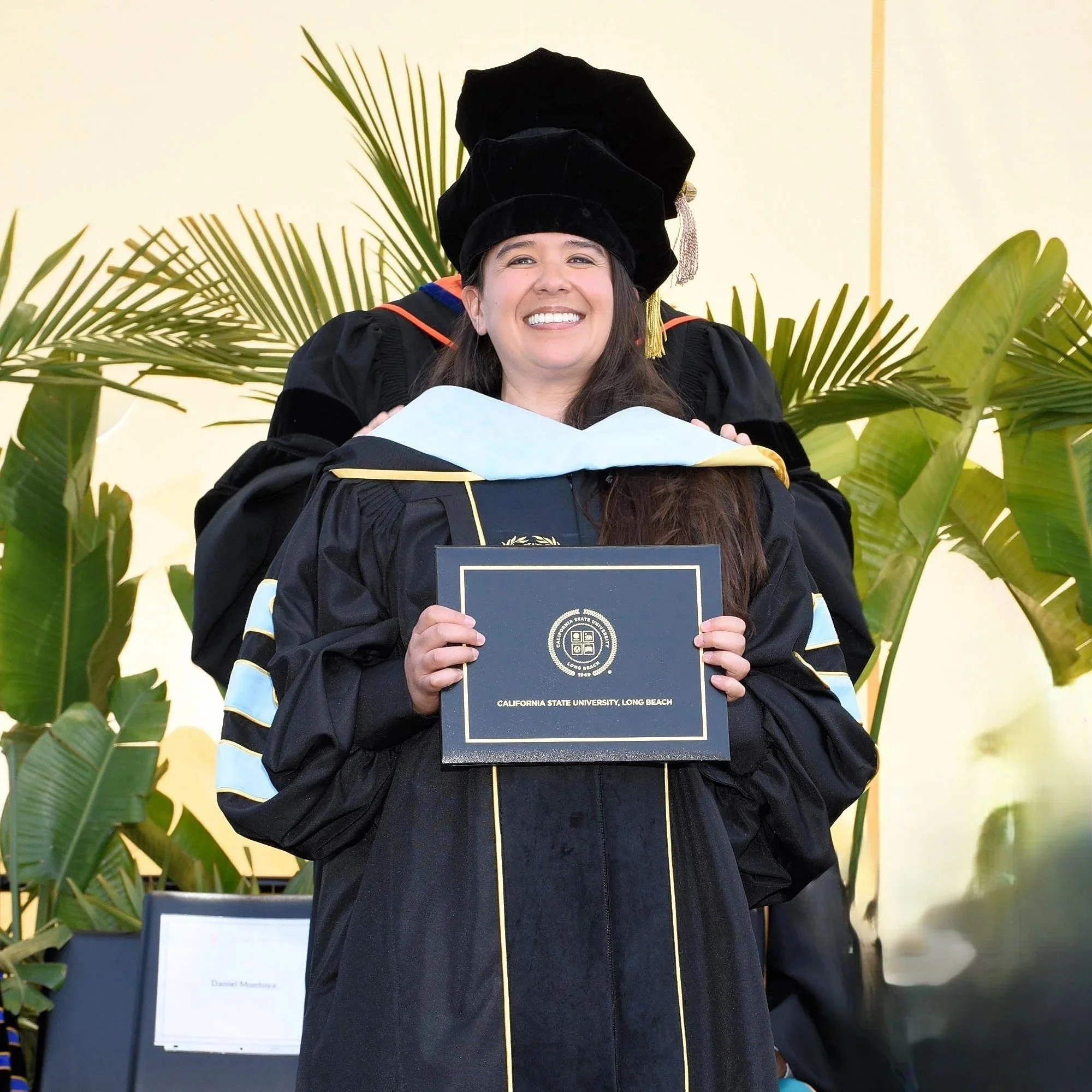
→ I grew up in the Inland Empire of Southern California. As a first-generation college student, I knew early on that I wanted to work in education to help students like me find their way to and through college. I spent about 15 years working in higher education institutions. Most recently, I worked in academic affairs at California State University, Long Beach. In that role, I supported campus-wide data analysis, enrollment management, and student success initiatives. At the time, I saw myself on a path toward higher education administrative leadership and decided to pursue an Ed.D. in Educational Leadership.
However, during my first year in the program, I realized that even though I was well-positioned for a future career as campus administrator, that path didn’t align with how I wanted to show up as a leader in higher education. Administrative roles are often highly reactive, shaped by mandates (many of which are unfunded) from the system, state, and federal levels and constrained by limited resources that are constantly under threat of being cut. These conditions can limit how much an administrator can do to truly advance student success at scale. I decided that a better way for me to apply my experience to serve students that have been historically underserved and underrepresented in higher education was to focus on systems-level change. I started working towards a new career goal in higher education policy. My faculty in the Ed.D. supported my change of plans and, though it was not traditional for our program, allowed me to focus my dissertation on higher education finance policy.
It was during my dissertation research that I came across HCM’s outcomes-based funding typology and I was intrigued by the level of nuance used to discuss state funding formulas and the focus on equity and improving outcomes for underserved learners. I started following HCM’s work and eventually applied for their fellowship opportunity. I joined as a Policy Fellow in May 2025 and ended up staying on through the final year of my doctorate program before transitioning to full-time in May 2026.
HCM is dedicated to making educational systems more accessible, affordable, accountable, and equitable. What drives you to do this work?
→ I was the first member of my family to attend a university and remember that the process of applying for college and financial aid was confusing and isolating. My first job after graduation was at a college access organization where I advised students in Title I schools, many of whom were not only first-generation college students, but first-generation Americans. I supported hundreds of students with their college and financial aid applications. Working with so many young people and their families who were permanent residents, visa holders, and undocumented, I started to understand how many barriers and closed doors people face trying to pursue the same opportunities that I was privileged enough to have. It was those early experiences in my career that made me realize that, while improving navigation in our postsecondary systems is important, more important is changing the systems themselves to remove barriers and open doors to create more opportunities for more people.
What does career-connected learning mean to you and why is it important to focus on this?
→ I define career-connected learning broadly as academic experiences that have real-world applications to jobs and careers. I see career-connected learning as important not only for improving employability, but also for increasing student engagement and success. When students see how their coursework directly connects to their future careers, it keeps them engaged in the learning process and supports their persistence through program completion.
What is an opportunity or trend that you have seen in postsecondary education that excites you about the future of the landscape?
→ An interesting trend in postsecondary education is the blurring of high school and college. We mostly see this through the expansion of dual enrollment, but also through high school graduation requirements that include work-based learning and other career-aligned pathways. Developmental education reform has also changed how students experience those first couple years of college, and created an easier transition from high school to college coursework. I think in the next decade or so we’ll see those first two years of college being more integrated into the last two years of high school, and obtaining some form of postsecondary credential will become the norm.
When not working, what can people find you doing?
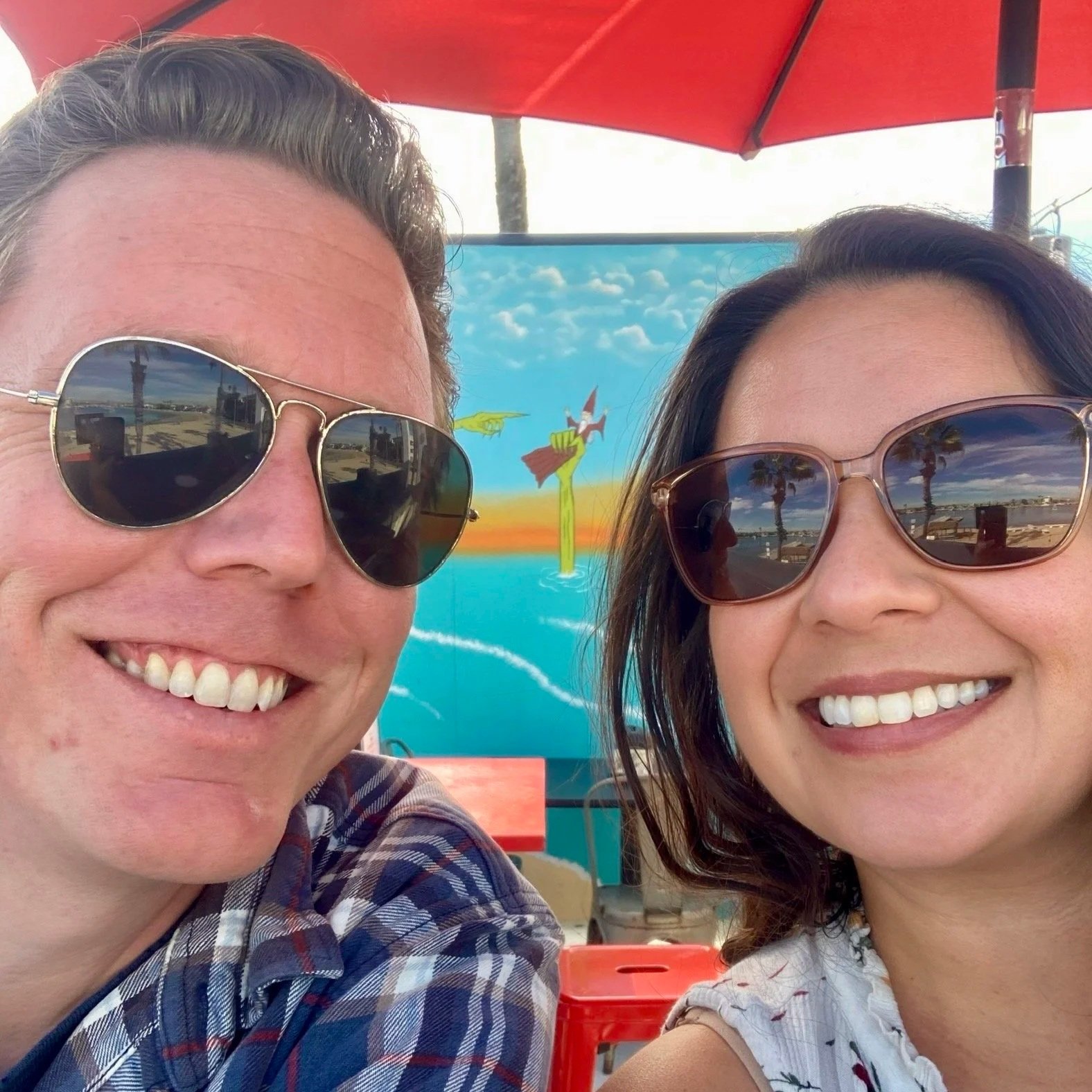
→ Enjoying the beautiful weather, good eats, and local brews of Southern California. Or lounging at home with my two cats while enjoying a good book or movie. Optimistically, I am also trying to set aside time to work on the next phase of my academic research by turning my dissertation into something publishable.